Why Walk‑In Refrigeration Is Now a Strategic Advantage for Restaurants in 2026
In 2026, walk‑in freezers, walk‑in coolers, and well‑designed refrigeration systems are no longer just “back‑of‑house” equipment for Canadian restaurants; they are core assets that protect food safety, stabilize margins, and support sustainability goals. For a service‑driven contractor like AceTech, that means helping restaurants move from “minimum code compliance” to strategically planned, monitored, and maintained refrigeration that supports long‑term growth. (source)
Beyond Storage: How Walk‑Ins Shape Restaurant Profit
Walk‑ins directly influence how consistently a restaurant can execute its menu, control costs, and scale operations. When they are properly specified and organized, they become a tool for better menu planning and lower waste rather than just cold boxes that keep food from spoiling. (source)
- Menu flexibility and bulk buying
A correctly sized walk‑in freezer lets restaurants purchase meat, seafood, and prepared components in bulk without sacrificing quality, supporting tighter food costs and more predictable pricing. Walk‑in coolers, in turn, provide the space needed for fresh produce, dairy, and mise en place so chefs can prep ahead for peaks without crowding reach‑ins. - Operational flow and speed of service
Thoughtful layout—clear zones for proteins, produce, dairy, and prepared items—reduces time spent hunting for ingredients and shortens ticket times, which is critical for high‑volume Canadian eateries. When walk‑ins are treated as part of the kitchen workflow design, not an afterthought, they support smoother line service and fewer bottlenecks. (source) - Brand reputation and guest trust
Consistent refrigeration keeps textures, flavors, and appearance stable, which directly affects reviews and repeat business. Well‑documented temperature control also helps restaurants demonstrate a proactive food safety culture if issues arise with inspectors or guests. (source)
Temperatures, Zoning, and Food Safety in 2026
Food safety rules in 2026 put precise temperature management at the center of restaurant operations, particularly for walk‑ins that hold large volumes of high‑risk ingredients. Getting the zones and targets right is as important as buying the equipment itself. (source)
- Core temperature ranges that protect your menu
Commercial guidelines require cold foods to be kept below about 4 °C (40 °F) in coolers to slow bacterial growth, and freezers to hold product well below freezing to keep food hard‑frozen and stable for extended storage. In practice, many operators target tight ranges around −18 °C for frozen items and 0.5–4 °C for chilled foods to maintain both safety and quality. - Smart zoning inside walk‑ins
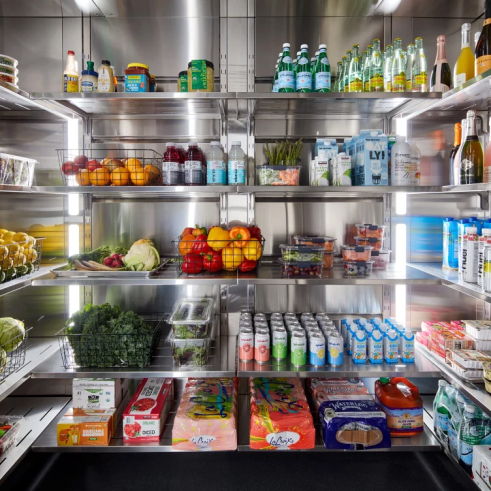
How food is positioned inside a walk‑in matters almost as much as the setpoint: higher‑risk items like raw meat should be held in the coldest, most stable areas, while ready‑to‑eat foods are placed to avoid drips and cross‑contamination. Shelving that keeps all products at least six inches off the floor supports sanitation, airflow, and easier inspection. (source) - Monitoring, alarms, and logs
Modern “smart” walk‑ins use digital thermostats, data logging, and remote alerts so staff can detect temperature excursions before product is lost. This not only helps appease the regulators who expect accurate records but also gives the managers data to unveil patterns, e.g., regular door-opening activities during preparation that might require changes in the procedure. (source)
Energy Efficiency together with 2026 Refrigeration Trends
The Canadian restaurant industry is not only considering the factors that keep the food cold but also the energy consumption levels of the walk-in coolers and freezers due to rising energy costs and eco-friendly regulations. Investing in energy-efficient refrigeration is now one of the most obvious ways to regain margin without altering the prices of the menu.
- Modern equipment, less utility cost
The next‑generation walk-in refrigerators and freezers are built with thicker, better-insulated panels, high-efficiency fan motors, and variable-speed compressors that only operate at the intensity that the load requires. These characteristics are instrumental in keeping the temperatures very close to the desired levels while reducing the energy consumption and in some cases, the restaurant owners have reported annual savings of hundreds of dollars due to the use of properly sized and efficient units. (source) - Designing for Canadian standards and rebates
Many modern systems are engineered to meet or exceed Canadian energy regulations and are compatible with lower‑GWP refrigerants that reduce environmental impact and future‑proof compliance. That alignment opens the door to provincial and utility rebate programs that offset upfront costs—especially valuable for independent restaurants watching cash flow. (source) - Preventive maintenance as an efficiency tool
Regular coil cleaning, gasket replacement, drain clearing, and defrost verification keep walk‑ins from overworking and drawing excess power. Rather than waiting for ice build‑up, strange noises, or failed starts, leading operators now treat service visits as a planned line item that protects both product and energy performance across the year. (source)
Practical Maintenance and Organization for Busy Kitchens
For restaurants that live or die on weekend service, the goal is simple: never lose a night because a walk‑in failed. A structured maintenance and organization plan turns that goal into a realistic standard.
- Daily practices for line staff
Quick temperature checks, visual inspections for frost build‑up, and making sure doors close and seal properly help catch issues before they become emergencies. Staff should also rotate stock using “first in, first out” principles and avoid stacking hot items directly into walk‑ins, which stresses equipment and compromises the product around them. (source) - Weekly and monthly deep‑care
Regular cleaning of shelving, floor areas, and door gaskets not only helps to eliminate mold, odors, and sanitation risks but also enhances the airflow through the stored product. A review of how items are organized occasionally—by menu station, cook line, or service period—can result in time savings of minutes per shift, and also in less waste caused by forgotten or buried ingredients. (source) - Annual system checkups
Thorough inspections that check the refrigerant charge, electrical connections, controls calibration, and compressor performance not only prolong the life of the equipment but also keep the warranties intact. For multitasking operators, the engagement of the same contractor across the locations has simplified the documentation, made it easier to budget for future upgrades, and even helped in creating the best practices standardization across the sites. (source)
How AceTech Can Support Restaurant Refrigeration in 2026
AceTech is a family-owned plumbing, heating, cooling, and refrigeration company that serves not only restaurants but also other businesses all over Metro Vancouver. Their service ranges from installation and upgrades to repair and 24/7 emergency response. For the restaurant owner, the most important partnership is the one that starts before the breakdown—at the planning and design stage—and lasts for the entire life of the walk-ins.
- Implementing preventive maintenance programs
Beyond emergency repairs, AceTech can set up recurring maintenance plans that align with health‑code expectations and manufacturer requirements, reducing surprise breakdowns and protecting warranties. With a documented schedule, restaurant managers gain predictable service costs while dramatically lowering the risk of catastrophic product loss. (source) - Supporting upgrades and future standards
As energy codes, refrigerant rules, and customer expectations evolve toward greener, more transparent operations, AceTech can guide phased upgrades to more efficient, compliant equipment. That might mean replacing aging condensers, re‑paneling older boxes, or specifying new walk‑ins that take advantage of rebates and long‑term energy savings. (source)
For Metro Vancouver restaurants that rely on walk‑in freezers, walk‑in coolers, and general refrigeration to keep service running, partnering with a refrigeration‑focused contractor like AceTech turns cold storage from a constant worry into a reliable, strategic asset that supports food safety, profitability, and growth. (source)
Contact us today:
- Phone: (844)704-4177
- Email: contact@acetechltd.ca
- Website: https://acetechltd.ca