Walk‑In Refrigeration Matters
Why Walk‑In Refrigeration Matters More in 2026
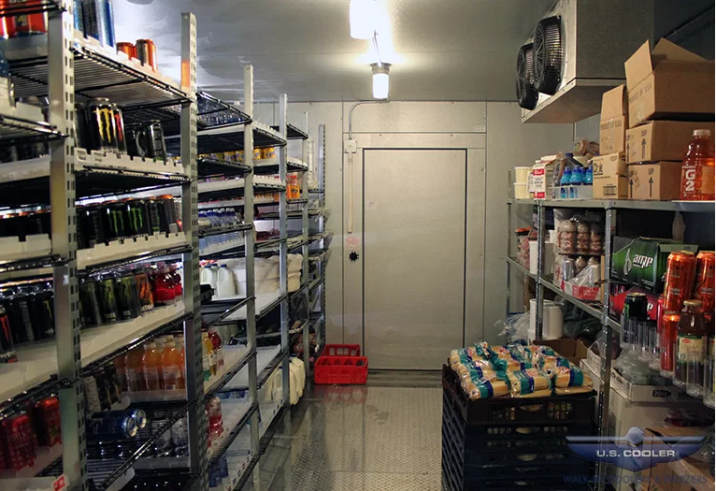
The current scenario of modern-day Canadian eateries is such that they are compelled to maintain the quality of the food for a longer period of time, while at the same time controlling the cost of utilities and minimising waste. The proper walk-in freezer and cooler configuration has a direct impact on:
- Food safety and compliance: health inspectors demand exact temperature control and documentation, and temperature violations are still one of the most frequent causes for restaurants to get failed inspections.
- Operating costs and margins: Good cooling can cut down the energy used in the kitchen significantly and also prolong the life span of the high-value ingredients thus, turning the whole scenario into a profitable one.
Reliable refrigeration is acknowledged as a main business advantage rather than just being considered as back-room equipment due to the rising energy prices and the change in the mind-set of diners towards the safety and sustainability of the food they consume.
Food Safety: Temperatures You Cannot Ignore
Health and safety standards for walk‑ins in 2026 focus on preventing both foodborne illness and staff injuries, from food poisoning to frostbite and hypothermia in non‑compliant units. For restaurants, three temperature rules dominate:
- Fridge ranges: Temp guidelines for refrigeration at restaurants, including walk-ins, usually 0.5 °C to 4 °C (approximately 33 °F to 40 °F), are set to slow the bacterial growth and preserve the quality of the product.
- Freezer ranges: The temperature in walk-in freezers is usually so low that it cannot be measured in Celsius (0 °C), the food is hard frozen, and its texture and flavour are preserved for a long time.
- Monitoring and logging: Daily temperature logging is one of the five main preventive maintenance checklists for commercial kitchens in 2026 to remain compliant and detect problems early.
Poor temperature control leads to a series of problems, such as shorter shelf life, health code violations, and costly food waste, among others, which can eventually result in the closure of the establishment.
Preventive Maintenance: From Crisis Mode to Control
Nothing stops a restaurant service faster than a failed walk‑in and rapidly spoiling product, which is why the 2025 best practice has shifted away from “fix it when it breaks” toward structured preventive refrigeration maintenance. Leading checklists for commercial kitchens now recommend:
- Daily: Record and monitor temperatures, look for strange noises, and verify that each fridge and freezer is closing and sealing properly.
- Monthly and quarterly: Carry out the inspection and cleaning of door gaskets, drains to be cleared, and ice build‑up that has formed, and condenser coils to be cleaned to avoid airflow issues and overheating.
- Yearly: Plan for a complete refrigeration system check-up, which would include checking the amount of refrigerant, electrical parts, compressor performance, and control calibration to keep efficiency high and preserve warranties.
A maintenance program that is done regularly prevents the occurrence of emergency repairs, protects the warranties that often require the service history to be documented and at the same time helps make sure that the food safety and refrigerant regulations are complied with.
Energy Efficiency, Regulations, and 2026 Refrigeration Trends
The Canadian hospitality industry in 2026 will rely heavily on the use of smarter, energy-efficient devices as a major way to handle the rising costs while satisfying the sustainability requirement. In refrigeration, a number of trends can be mentioned, among which are:
- Energy‑efficient appliances: Switching to more efficient coolers and freezers before the expiration of warranties has now become a recommended step for restaurants wishing to lower their utility bills and, at the same time, avoid surprise breakdowns.
- Advanced refrigeration design: Today, commercial refrigeration systems give priority to maintaining the tightest temperatures, consuming the lowest energy, and improving food preservation—all these to support both operations and sustainability goals.
- Preventive maintenance as standard: The 2026 guides for the industry allot refrigeration maintenance as the very base of silent operations, linking routine servicing to reliability, compliance with regulations, and year-round profitability.
For restaurants, this means planning ahead: budgeting for gradual equipment upgrades and partnering with a refrigeration expert to align with evolving standards rather than scrambling after a failure.
How AceTech Supports Restaurant Refrigeration
AceTech Plumbing & Heating LTD has been providing a complete range of heating and cooling services to businesses in Metro Vancouver, which includes upgrading, repairing, replacing, and even installing new commercial systems. Apart from this, their team also provides emergency HVAC services that are available 24/7, which is very critical, especially when a walk-in cooler or freezer stops working in the midst of a busy service or even overnight.
For the restaurant industry, especially, a company like AceTech can do the following:
- First of all, they can take care of such a delicate and difficult task as walk-in coolers and freezers design and installation, which will suit the menu, kitchen layout, and energy-efficiency goals while also ensuring food safety compliance.
- Secondly, they can set up a preventive maintenance program for all refrigeration equipment, which will help extend asset life, protect warranties, and minimise unplanned downtime.
When refrigeration is considered a crucial asset rather than just a utility, restaurants can produce food of more consistent quality, minimise waste, and provide a safer and more reliable working environment for their staff.
For expert help with walk‑in freezers, walk‑in coolers, and restaurant refrigeration in Metro Vancouver, contact AceTech:
- Phone: 1‑844‑704‑4177
- Website: https://acetechltd.ca/
- Email: contact@acetechltd.ca