What to Expect During a Professional Heat Pump Installation
Heat pumps have become one of the most efficient ways of heating and cooling homes. Unlike other forms of heating and cooling, where heat is produced, heat pumps move heat from one location to another, making it possible for them to be used for both heating and cooling with greater efficiency.
For those who want to use heat pumps, they might find it complicated when they are asked about the installation process. However, for those who are knowledgeable and experienced, it is a structured and organized process designed to ensure that it works efficiently from day one.
It is essential for those who want to know more about heat pumps and what they need to know about them to understand what goes on during the installation process.
Initial Assessment and System Design
The installation process of a home HVAC system starts with an evaluation of the home. Before any installation is done, there is an evaluation of a number of key aspects of the home, including its size, its level of insulation, and its overall heating and cooling demands.
This process is important as it allows professionals to determine the appropriate size of a home HVAC system. This is important because a home HVAC system that is too large for a home can easily become inefficient and wasteful.
In addition, it is possible for professionals to inspect the electrical system and other HVAC components of a home during this process.
Preparing the Installation Area
Once the design of the system is complete, the installation team will prepare the home to receive the new equipment. This may involve removing an existing furnace or air conditioning unit if one is already installed in the home.
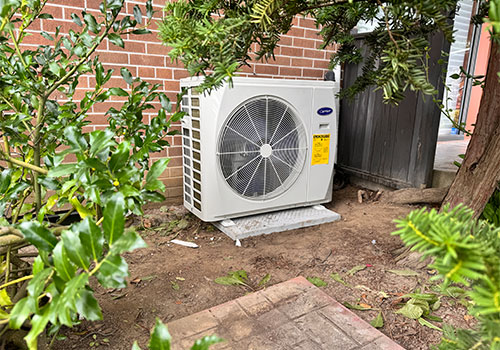
The technicians will also prepare the locations for the indoor and outdoor equipment. In most cases, the outdoor equipment will be placed on a stable base outside the home, in an area that provides good airflow and minimizes noise impact on the home and its occupants. The indoor equipment, or air handler, will be placed in a mechanical room, basement, or other area based on the home design.
The placement of the equipment will be important to its efficiency and accessibility for maintenance needs.
Installing the Indoor and Outdoor Units
The next step is the installation of the major components of the heat pump.
The indoor unit is installed and connected to the home’s duct work or air distribution system. For ductless heat pump systems, separate indoor units may be installed in different rooms of the home.
The outdoor unit is installed and placed on its mounting base. This unit includes the compressor and other major components of the heat pump, which are essential for transferring heat between the indoor and outdoor environments.
The installation of the indoor and outdoor units is a very important step because it allows for the refrigerant to circulate and transfer heat.
Electrical Connections and Refrigerant Lines
After this, the equipment is connected to the electrical panel of the house and wiring is put in place.
The electrical connections are vital for the smooth running of the equipment and must be made in compliance with local building and electrical regulations. The equipment also requires refrigerant piping between the indoor and outdoor equipment to facilitate heat transfer between them.
After this is complete, the refrigerant piping is closed and pressurized to ensure that there are no leaks and that it will function as expected.
Thermostat Setup and System Controls
Most modern heat pumps are equipped with sophisticated thermostats or “smart controls” that enable users to adjust temperatures easily.
As part of the installation process, the technician will connect the thermostat to the heat pump system. This ensures proper functioning of the system, whether in heating or cooling modes.
This can include features like scheduling temperatures.
System Testing and Commissioning
Prior to the completion of the installation process, the system must be thoroughly tested. In this regard, technicians will be required to put the heat pump system through various modes of operation to ensure that it is working as expected.
Such a process will entail testing the system in the heating mode, cooling mode, as well as the defrost mode. In addition to that, the system will be required to be tested in the backup mode in cases where it has been installed with a backup system.
How Long the Installation Typically Takes
The time required to install the heat pump varies depending on several factors, including the type of system, the condition of existing HVAC equipment, and whether ductwork is needed.
In most cases, the installation of a standard residential heat pump can be accomplished in just one day, with the process taking anywhere from four to eight hours.
In cases where new ductwork, electrical, and/or multi-zone systems are required, the installation can take anywhere from one to three days.
Final Walkthrough and System Guidance
Once installation and testing are complete, the technician will walk the homeowner through the new system. This is an important step because it allows the homeowner to understand how to use the thermostat and other settings of the new system.
The installation technician might also discuss with the homeowner any other aspects of maintaining the new heat pump, for example, replacing filters, servicing, and caring for it, all of which can help it last for many years.
This is the last step of the installation process, and it gives homeowners confidence in using their new heat pump.
Final Thoughts
A properly installed heat pump system follows a process that helps to ensure that the system will function in a safe, efficient, and reliable manner. All of the steps in the process have a critical role to play in the overall performance of the system.
When properly installed, a heat pump system can provide comfortable conditions in your home during all seasons of the year in a manner that is environmentally friendly.
If you are considering upgrading your home’s heating and cooling system, the experienced team at AceTech Mechanical can help guide you through the process and deliver a professional heat pump installation designed for performance, efficiency, and long-term reliability.