Gas fitter Class A and Class B Differences
The distinct boundary between Class A and Class B gas fitters in British Columbia defines their operational capacity which allows Class B gas fitters to handle appliances that do not exceed 120 kW (approximately 400,000 BTU). In contrast, Class A gas fitters from AceTech can operate any gas system, regardless of its scale or configuration, which includes residential systems and industrial systems. The additional responsibilities of Class A make it suitable for operation in facilities that contain substantial boilers and rooftop equipment and operational systems and intricate systems which combine multiple devices throughout the region of Metro Vancouver. (source)
What gas fitters do in BC
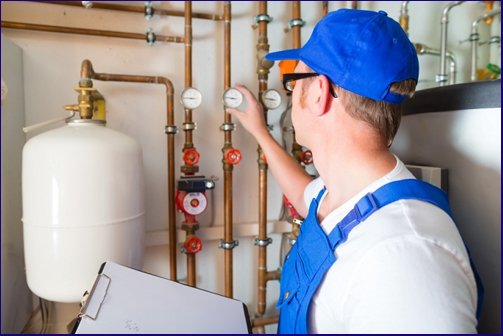
Gas fitters install, maintain, and repair natural gas and propane systems and appliances in homes, businesses, and industrial facilities. Their work can include:
- Running and testing gas piping and regulators for furnaces, boilers, water heaters, rooftop units, and process equipment.
- Setting up and commissioning burners, controls, safety shutoffs, and ventilation or flue systems.
- Troubleshooting issues like no‑heat calls, incomplete combustion, or carbon monoxide risks.
- The team inspects every task to verify its compliance with gas and building codes which they execute after receiving permits and undergoing inspections.
The British Columbia gas fitters need to obtain either Class A or Class B certification which Technical Safety BC controls while their training takes place with organizations which include SkilledTradesBC and post-secondary institutions such as BCIT and Trades Training BC. (source)
Class B gas fitter: scope and limitations
The entry-level certification which most people choose is Class B because it teaches skills to operate standard residential systems and light commercial systems. For Vancouver homeowners and small businesses, this often covers: (source)
- Standard residential furnaces, tank and tankless water heaters, fireplaces, and small boilers.
- Many small commercial appliances like unit heaters and some rooftop units, as long as they are within the input limit.
Key limitations of Class B:
- A Class B certificate allows installation and alteration of gas appliances and systems up to and including 120 kW input, which is about 400,000 BTU.
- They cannot legally install or alter appliances that exceed this rating (for example, large commercial or industrial boilers or certain large rooftop units).
- Class B is often described as “domestic/commercial” because it fits typical houses and smaller commercial spaces, but not heavy commercial or industrial gas systems.
Training for Class B typically involves two levels of technical instruction (about 300 hours per level) plus around 3,000 hours of supervised work experience before challenging the Technical Safety BC exam.(source)
Class A gas fitter: advanced, unrestricted scope
Class A is the top level of gas fitter certification in BC and across much of Canada. It is specifically designed for large, complex, and high‑input gas systems that go beyond typical residential appliances. (source)
Key features of Class A:
- A Class A certificate of qualification allows the holder to perform installations and alterations on any gas system, except specific categories like vehicle fuel systems, which may be separately regulated.
- This includes both “A gas systems” (larger, higher‑input or industrial) and “B gas systems” (the residential/light commercial systems that Class B fitters can do).
- Class A gas fitters work on low and high pressure natural gas and propane systems, including large commercial boilers, industrial process burners, high‑capacity rooftop units, and other equipment exceeding 400,000 BTU.
In BC, Class A gas fitter has become a Red Seal trade, meaning experienced Class A gas fitters can hold a Red Seal endorsement recognized across participating provinces. To reach Class A, a gas fitter must already hold Class B, then complete additional classroom training, on‑the‑job hours, and provincial and interprovincial exams overseen by SkilledTradesBC and Technical Safety BC. (source)
Class A vs. Class B: practical differences for Vancouver projects
For property owners, facilities managers, and strata councils in Vancouver, the distinction between Class A and Class B gas fitters matters most when you look at project size, risk, and complexity. (source)
- A Class A gas fitter can handle both the “everyday” equipment which includes furnaces and unit heaters and water heaters and the large central systems which provide service to complete buildings and industrial production lines.
- Working with a Class A contractor in Metro Vancouver helps your project at strata complexes and commercial buildings and light industrial facilities because it decreases the possibility of reaching work limits and needing another contractor for bigger machinery.
- In short a Class B gas fitter provides suitable service for residential homes and small heating requirements while a Class A gas fitter possesses the educational background and legal permission necessary to handle large and complicated and dangerous gas systems.
Why AceTech’s Class A gas fitters are a strong choice
Metro Vancouver owners and managers who select a Class A gas fitting contractor will receive technicians who handle all system needs from individual unit replacements to central plant upgrades.
With Class A certification:
- AceTech has the ability to install and modify and maintain gas systems which operate at all input capacities from residential buildings to heavy commercial spaces as long as they have the necessary permits and comply with all code standards.
- Their team can help plan and execute system upgrades so that all components including boilers and rooftop units and make-up air and domestic hot water systems operate together in a safe and efficient manner.
- They possess advanced training from Red Seal Class A gasfitting which enables them to operate gas systems while understanding all relevant gas codes and combustion processes and piping systems and complex control mechanisms.
If you manage a mixed‑use building, larger commercial space, or strata in the Lower Mainland, working with Class A gas fitters simplifies planning: the same contractor can look after both everyday service calls and large equipment projects without hitting certification limits.
Contact AceTech for Class A gas fitting in Metro Vancouver
AceTech provides Gas Fitter Class A services across Vancouver and the surrounding Metro Vancouver / Tri‑Cities area, supporting residential, commercial, and light industrial clients. For expert help with gas system installation, upgrades, or troubleshooting, you can reach AceTech here:
- Website: www.acetechltd.ca
- Phone: 1 (844) 704 – 4177
- Location: Based in Port Coquitlam, serving Metro Vancouver and the Lower Mainland.
AceTech’s Class A gas fitters can review your current gas equipment, recommend the right repair or replacement strategy, and ensure all work is done safely, efficiently, and in line with BC gas codes and Technical Safety BC requirements.